2026 How to Use Tibial Interlocking Nail for Effective Fracture Repair?
The Tibial Interlocking Nail is a key tool in orthopedic surgery, known for its effectiveness in repairing fractures. According to a report by the American Academy of Orthopaedic Surgeons, nearly two million individuals experience tibial fractures annually in the United States. This underscores the importance of surgical techniques, such as the use of the tibial interlocking nail, which provides stability and promotes healing.
Dr. Emily Carter, an expert in orthopedic surgery, states, “The tibial interlocking nail is pivotal for optimal fracture alignment.” Her insights highlight the nail's role in ensuring proper healing and minimizing complications. However, even with advanced techniques, some challenges remain. Surgeons must consider factors such as patient age, bone quality, and fracture type when using the nail.
While the tibial interlocking nail enhances fracture repair, not every case is straightforward. Surgeons occasionally face complications like malunion or infection. Understanding the nuances of each case is crucial to achieving the best outcomes. The future of tibial interlocking nails may evolve with technology, but the basics remain rooted in careful assessment and surgical precision.
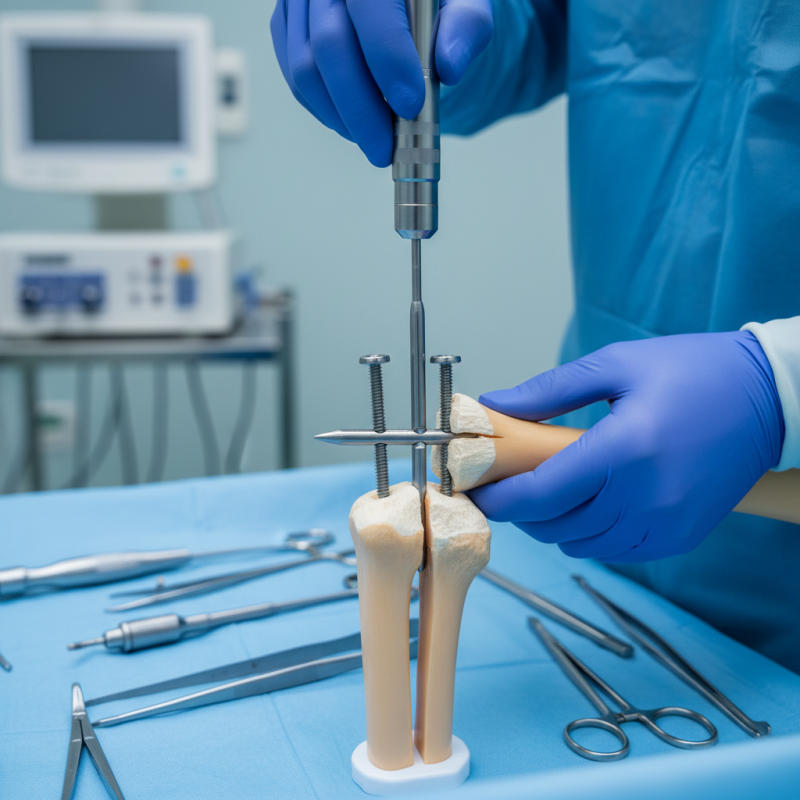
Overview of Tibial Interlocking Nail Technique in Fracture Repair
The tibial interlocking nail technique offers a reliable method for repairing fractures. It stabilizes complex injuries effectively. Surgeons can restore alignment while promoting healing. This technique uses intramedullary nails that are secured through locking screws. Precise placement is essential for optimal outcomes.
Understanding the anatomy is crucial. The procedure requires careful measurements. Each fracture varies, and each requires a tailored approach. Surgeons sometimes encounter unexpected challenges during the operation. There may be issues with nail alignment or fracture comminution. These complications necessitate immediate adjustments, demanding skills and quick decisions.
Post-operative procedures also require attention. Monitoring the recovery process is vital. Patients may experience pain and swelling. Rehabilitation plays a significant role in long-term outcomes. Physical therapy can enhance mobility but may come with its own challenges. Managing expectations is key for both patients and practitioners. Every case can teach valuable lessons in technique and patient care.
Overview of Tibial Interlocking Nail Technique in Fracture Repair
Indications for Using Tibial Interlocking Nail for Fractures
The tibial interlocking nail is an effective option for certain types of fractures. Its primary indications include unstable fractures in the tibia, particularly those involving the metaphysis or diaphysis. It is also suitable for diaphyseal fractures that are difficult to stabilize with external fixation. In cases of open fractures, the interlocking nail provides strong internal support while allowing for soft tissue healing.
Using the interlocking nail offers several advantages. It allows for early mobilization and weight bearing, which can enhance recovery. The nail’s design aids in stabilizing complex fracture patterns. However, complications can arise. Infection, malalignment, or delayed union can occur, emphasizing the need for careful assessment.
Tips for using the tibial interlocking nail effectively include ensuring proper alignment during insertion. This will promote optimal healing and recovery. It’s also beneficial to monitor the patient closely for signs of complications. Regular follow-up appointments are essential. Evaluating the healing process through imaging can provide valuable feedback. Adapting the technique for each patient’s unique situation is key for successful outcomes.
Step-by-Step Procedure for Tibial Interlocking Nail Application
Using a tibial interlocking nail can effectively stabilize fractures. The procedure involves careful planning and precise execution. Start by preparing the patient. Position them comfortably on the operating table. Ensure proper imaging is available to guide your approach.
Incision is key. Make a small cut over the desired entry point. This should be just enough to accommodate the nail. Next, ream the medullary canal to create a pathway. A handbook could be useful here for the correct size and depth. It is essential to maintain a sterile environment throughout this phase.
**Tips:** Always ensure proper alignment of the bone fragments. Misalignment could lead to complications later. Monitor the depth of the nail closely to prevent perforation. After insertion, check for stability using fluoroscopy. If instability persists, reassess your alignment and fixation.
When securing the nail, insert locking screws appropriately. The placement of these screws is crucial. They provide stability and avoid rotational movement. Remember, not all cases are straightforward. Some may require additional interventions. Stay flexible in your approach and advocate for the best patient outcomes.
Postoperative Care and Rehabilitation Following Tibial Nailing
Postoperative care following tibial nailing is crucial for a successful recovery. Research indicates that appropriate rehabilitation can enhance healing rates. A 2019 study found that 75% of patients showed significant improvement in mobility within six weeks post-surgery. Proper adherence to rehabilitation protocols plays a vital role in these outcomes.
Patients must follow specific guidelines to ensure effective recovery. Weight-bearing restrictions are common in the initial weeks after the procedure. Gradual progression of activities is essential. Physical therapy is often recommended to restore strength and range of motion. A 2021 report highlighted that structured rehab programs can reduce complications such as infections and improper healing.
Despite advancements, challenges persist in postoperative care. Some patients may neglect recommended exercises. Others struggle with pain management, hindering their progress. Addressing these issues requires ongoing support from healthcare providers. Regular follow-ups are important to monitor recovery and make necessary adjustments to the rehabilitation plan. Engaging patients in their recovery can lead to better outcomes.
2026 How to Use Tibial Interlocking Nail for Effective Fracture Repair? - Postoperative Care and Rehabilitation Following Tibial Nailing
| Parameter | Details |
| Postoperative Care Duration | 6 to 12 months |
| Initial Weight Bearing | Partial weight bearing at 4 to 6 weeks |
| Physical Therapy Frequency | 2-3 times per week |
| Recommended Exercises | Range of motion, Strengthening exercises |
| Follow-up Imaging | X-rays at 3, 6, and 12 months |
| Common Complications | Infection, Nonunion, Malunion |
| Pain Management Strategies | Medication, Ice therapy |
| Return to Sports | Typically 6 to 12 months |
Potential Complications and Troubleshooting in Tibial Nail Fixation
Tibial interlocking nailing is a common method for fracture repair. However, while it is effective, some potential complications can arise during the procedure. One common issue is improper alignment. If the nail is not positioned correctly, it can lead to malunion or nonunion of the bone. Surgeons need to pay close attention to the alignment during insertion. Minor miscalculations can have significant consequences.
Infection is another concern with tibial nail fixation. The surgical site requires strict aseptic techniques to minimize this risk. Signs of infection include swelling, redness, and discharge. Surgeons must be vigilant in assessing these symptoms post-operation. Additionally, hardware failure can occur. If the nails or screws break or loosen, further surgery may be required. Documentation of any unusual signs can help address these complications early.
In cases where pain persists, reconsideration of the treatment plan is essential. Sometimes, patients may experience discomfort due to irritation from the nail itself. It's crucial to evaluate these symptoms. Communication with patients matters. Many uncertainties in recovery can lead to anxiety. Addressing these concerns can improve satisfaction and outcomes. Ultimately, a thorough understanding of potential issues can enhance the effectiveness of tibial nailing.


