Bankim Nagar, Siliguri, West Bengal
The Sludge Press has become essential in waste management and wastewater treatment. As an industry expert, Dr. Emily Harmon says, “Efficient sludge management starts with the right technology.” This clearly indicates the importance of the sludge press in modern facilities.
Sludge presses offer numerous benefits and applications, significantly improving efficiency. They reduce the volume of waste, making disposal easier and more cost-effective. This means less space is needed for landfills, which is crucial in urban areas. Moreover, these devices enhance the quality of the treated effluent, contributing to environmental sustainability.
However, challenges remain. Ensuring optimal performance requires continuous monitoring and maintenance. Some facilities may struggle with the initial investment costs. It's essential to weigh the long-term benefits against short-term expenses. Ultimately, understanding the full scope of sludge press technology can lead to better waste management solutions.
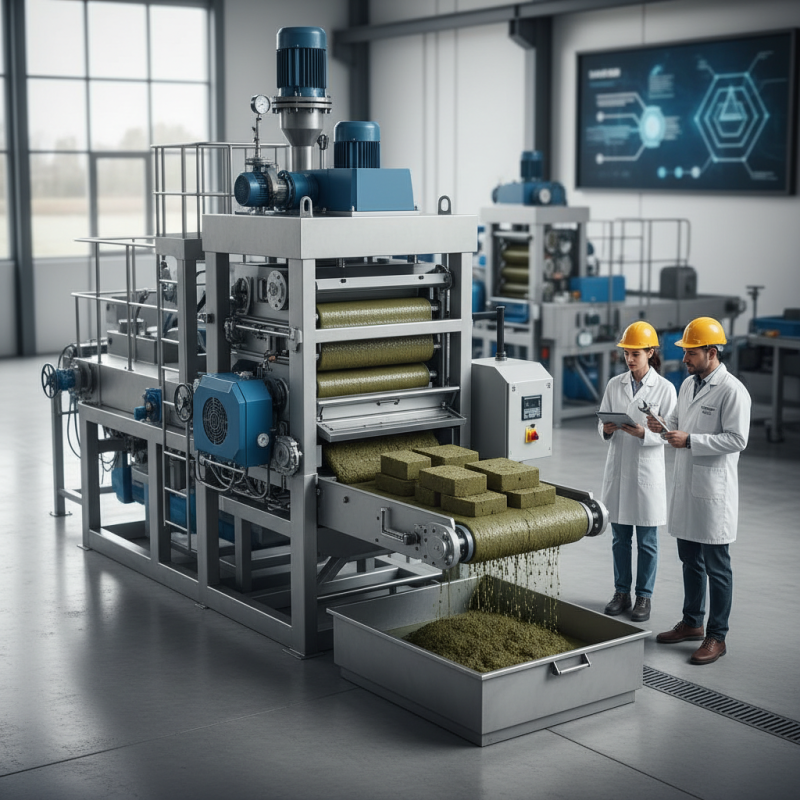
Sludge presses are becoming essential tools in wastewater treatment. These systems allow for the separation of liquid from solid waste, reducing volume significantly. According to a report from the Water Environment Federation, up to 60% of waste can be removed with efficient sludge pressing. This not only cuts down transportation costs but also minimizes landfill requirements.
Working with sludge can be challenging. Many facilities struggle with the consistency and durability of their sludge. Implementing a sludge press can improve this. By applying pressure, it transforms the sludge into a more manageable form. Interestingly, some facilities have observed that equipment maintenance improves when sludge is handled properly.
Tips: Regularly monitor the moisture content in the sludge. This can help optimize the pressing process. Avoid overloading the press, as this can lead to inconsistent results.
Moreover, the reduction of pathogens is a crucial benefit. Sludge presses help create drier biosolids. This decreases the risk of odor and pests. Facilities can find themselves in complex situations if not managed correctly. Investing in quality equipment is essential, but it doesn’t always guarantee success. Operators must be well-trained and attentive.
Sludge presses are gaining traction in various industries due to their efficiency in dewatering sludge. In the wastewater treatment sector, they contribute to reducing waste volume by up to 90%. This leads to significant cost savings in disposal and transportation. According to recent industry reports, the global sludge treatment market was valued at approximately $8 billion in 2022 and is expected to grow steadily. This growth is driven by a rising awareness of environmental impacts and stricter regulations.
In the food and beverage industry, sludge presses help manage by-products generated during processing. These presses can separate liquid from solid waste effectively, producing a dry cake that is easier to handle. This process not only minimizes waste but also converts sludge into usable by-products, such as biogas. However, not all types of sludge can be processed effectively, leading to inefficiencies in some cases.
Additionally, in the chemical manufacturing sector, sludge presses play a critical role. They can handle complex mixtures and produce dry solids that are often used in other applications. Despite their advantages, some operations face challenges with maintenance and operational costs. Addressing these issues is crucial for maximizing benefits. Not all companies are equipped to handle these complexities, which might lead to operational inconsistency.
Sludge press technology presents significant economic advantages for municipalities. According to the latest industry reports, municipalities can save up to 30% on waste management costs by implementing these systems. This reduction stems from lower transportation fees and decreased landfill usage. Wastewater treatment plants can improve their operational efficiency through effective sludge management.
Moreover, sludge presses can reduce the volume of sludge by up to 90%. This drastic reduction means less waste to treat and dispose of. Many facilities reported improvement in compliance with environmental regulations due to enhanced dewatering processes. However, municipalities must also consider maintenance costs and the need for skilled operators. These factors can sometimes offset savings, leading to mixed results.
Investing in sludge presses should be a well-considered decision. While the potential savings are substantial, some facilities find themselves struggling with financial strain from unexpected repairs. Local governments often require time to analyze long-term benefits versus initial investments. Balancing these aspects is critical for the successful adoption of sludge press technology in waste management.
| Benefit/Application | Description | Economic Advantage |
|---|---|---|
| Space Saving | Reduced footprint compared to traditional dewatering methods. | Lower operational costs due to reduced land requirements. |
| Energy Efficiency | Utilizes less energy than conventional systems. | Decreased energy bills contributing to savings. |
| Low Maintenance | Requires fewer maintenance interventions due to robust design. | Reduced labor costs and prolonging equipment lifespan. |
| High Solids Capture | Effectively captures high volumes of solids during dewatering. | Potentially higher revenue from saleable dried sludge. |
| Improved Odor Control | Enhanced handling and treatment processes minimize odors. | More favorable public reception leading to lower community complaints. |
| Flexibility | Can be adapted for different types of sludge. | Reduces equipment redundancy and costs through multi-use systems. |
| Reduced Chemical Dependency | Less need for chemicals in the dewatering process. | Lower chemical purchase costs and related disposal fees. |
| Quick Return on Investment | Faster payback period due to operational savings. | Attracts investment and grants for municipalities. |
| Environmental Compliance | Meets stringent environmental regulations more effectively. | Avoids costly fines and penalties related to non-compliance. |
| Innovative Technology | Utilizes advanced processes leading to better performance. | Enhanced reliability and lower risk of operational failure. |
The environmental impact of sludge presses in waste management is significant. Sludge presses help reduce waste volume by roughly 90%. This reduction leads to less transportation and lower greenhouse gas emissions. According to recent studies, using sludge presses can cut landfill costs by up to 50%. Less waste in landfills means reduced leachate, which can contaminate groundwater.
However, there are challenges to consider. Not all sludge is the same. Some may contain harmful substances that complicate treatment. A report showed that over 20% of treated sludge still doesn't meet safety standards. This raises concerns about land application and potential health risks. The technology requires continuous improvement to ensure safety and efficiency.
In urban settings, where waste generation is high, sludge presses can lighten the load on treatment facilities. They create a more sustainable waste management cycle. Yet, as more cities adopt this technology, it’s crucial to monitor the long-term effects. The benefits are clear, but accountability and rigorous oversight are essential to avoid unintended consequences.
The following bar chart illustrates the benefits and applications of sludge presses in waste management, highlighting their significant environmental impact.
The future of sludge press technology is evolving rapidly. Industry reports show that the global wastewater treatment market is projected to reach $500 billion by 2027. This growth drives demand for efficient sludge management solutions. Recent innovations focus on enhancing dewatering capabilities and optimizing energy consumption.
New advancements, such as automated monitoring systems, offer real-time data on performance. This can lead to increased operational efficiency. Additionally, integrating AI and machine learning can help predict maintenance needs. However, many facilities still rely on outdated technologies, which can waste resources.
Sustainability is a key trend. Sludge presses are now designed to produce dry cakes for energy recovery. This process aligns with global goals for reducing waste. Yet, challenges remain in balancing efficiency with cost-effectiveness. Some manufacturers struggle to innovate fast enough to meet market demands. This gap highlights the need for further investment in research and development. The industry must address these issues to fully realize the potential of modern sludge press systems.
Hi! Simply click below and type your query.
Our experts will reply you very soon.
