What are the Top Animal Studies in 2026?
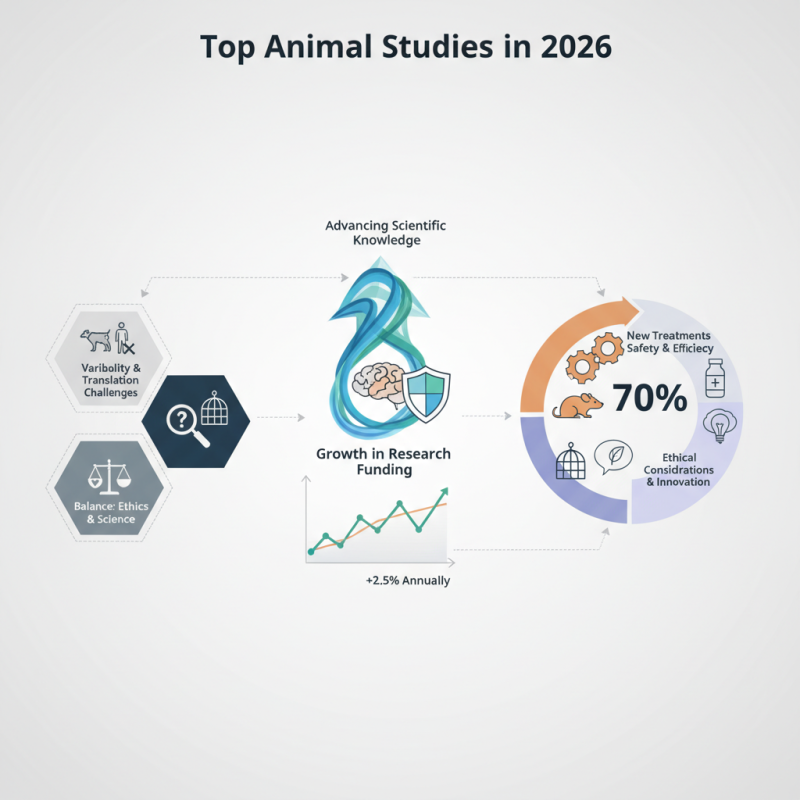
Animal studies play a crucial role in advancing scientific knowledge. In 2026, the focus on animal research continues to grow. According to the National Institutes of Health (NIH), funding for animal studies has increased by 2.5% annually. This highlights their significance in medical research.
Recent reports indicate that over 70% of new treatments undergo animal testing before human trials. These studies not only ensure safety but also boost the efficacy of drugs. However, ethical considerations remain vital. Critics argue that some methodologies are outdated. There is a pressing need for innovation in Animal study techniques.
While animal studies yield invaluable data, they are not without flaws. Researchers face challenges such as variability in animal models. Moreover, some studies may not directly translate to human biology. Addressing these limitations is essential. Thus, the landscape for animal studies in 2026 calls for a balance between ethical practices and scientific advancement.
Top Trends in Animal Studies: Key Research Areas by 2026
Animal studies are evolving rapidly, focusing on critical areas like conservation, animal behavior, and welfare. In 2026, the emphasis will likely shift towards the relationship between humans and animals. Researchers aim to uncover insights into how this bond affects mental health.
One important trend is the study of urban wildlife adaptation. Animals are increasingly living in cities. Understanding their behavior in urban settings is vital. It can inform better city planning. Researchers will explore how animals influence mental well-being in these environments.
Tips: Observe local wildlife. Take notes on their behavior and interactions with people. This practice can deepen your understanding of human-animal dynamics.
Another area gaining traction is animal cognition. Studies will focus on how animals think and learn. This research can challenge existing perceptions and lead to new ethical considerations. There is an ongoing dialogue about intelligence across species.
Tips: Engage with animals in various settings. Reflect on their responses to stimuli. This may reveal surprising intelligence levels.
Finally, welfare studies will continue to broaden. Focus will be on enhancing the quality of life for domesticated animals. Gathering data from diverse environments will be necessary. It highlights the importance of ethical treatment in all animal interactions.
Advancements in Animal Behavior Studies: Insights from 2026
Animal behavior studies have evolved immensely by 2026. Researchers have observed new social dynamics within various species. For example, elephants now show unique mourning behaviors, indicating deeper emotional connections than previously understood. Additionally, dolphins are exhibiting advanced cooperative hunting techniques, showcasing their intelligence and problem-solving abilities.
Tips: Observe animals in their natural habitats. Use binoculars for a closer look. Take notes on behaviors, interactions, and environments. This practice enhances your understanding of animal life.
Another intriguing area of research involves urban wildlife. Many animals adapt to city life with innovative strategies. For instance, raccoons have learned to open complex trash bins to find food. This adaptability raises questions about survival and intelligence in changing environments. It's essential to reflect on how urbanization affects wildlife and their behaviors.
Tips: Create a wildlife diary. Document observations of local species. Notice how they interact with human environments. Understanding these adaptations fosters a greater appreciation for nature.
Impact of Animal Studies on Conservation Efforts in 2026
In 2026, animal studies have made significant strides, playing a crucial role in conservation efforts worldwide. Researchers are now focusing on ecosystem health and biodiversity. These studies uncover vital information about endangered species, habitats, and the impact of climate change. The data collected helps shape effective conservation strategies. It’s a call for action.
One compelling example comes from studying sea turtles. These gentle creatures, once on the brink of extinction, have slowly rebounded due to targeted conservation initiatives. By tracking their movements and nesting habits, scientists gather insights that lead to better protection measures. Community involvement became a key component, fostering local stewardship.
Tips for conservation-minded individuals: Volunteer with local wildlife organizations. It creates hands-on experience and strengthens community bonds. Advocate for sustainable practices in your area. Change begins at home. Remember, even small actions can make a difference. Engaging with local wildlife not only educates but also adds a personal touch to conservation efforts. The path isn’t always smooth, but each step matters.
What are the Top Animal Studies in 2026? - Impact of Animal Studies on Conservation Efforts in 2026
| Study Title | Research Institution | Year | Species Studied | Key Findings |
| Impacts of Climate Change on Coral Reefs | Marine Biology Institute | 2026 | Coral Species | Found significant bleaching events linked to temperature rise, impacting marine biodiversity. |
| Reforestation Strategies for Endangered Birds | Avian Conservation Center | 2026 | Various Endangered Birds | Demonstrated effective reforestation methods that increased habitat availability and bird populations. |
| The Role of Apex Predators in Ecosystem Balance | Ecology Research Institute | 2026 | Wolves and Bears | Showed how the presence of apex predators contributes to biodiversity and ecosystem health. |
| Urban Wildlife Adaptation to Human Population | Urban Ecology Lab | 2026 | Coyotes and Raccoons | Identified behavioral changes that allow urban wildlife to thrive in metropolitan areas. |
| Effects of Pollution on Marine Species | Marine Research Institute | 2026 | Fish and Marine Mammals | Concluded that high levels of microplastics severely affect health and reproductive rates. |
Technological Innovations in Animal Research: The 2026 Landscape
The landscape of animal research in 2026 is marked by remarkable technological innovations. Advances in genetic editing tools have transformed how we study animal biology. Researchers can now create precise genetic modifications with greater efficiency. This has opened doors to new insights into diseases and treatments.
In addition, artificial intelligence plays a crucial role in data analysis. AI algorithms can sift through vast amounts of research data quickly. This allows scientists to uncover patterns and correlations that were once hidden. However, reliance on technology raises concerns about data interpretation and bias.
Tips for researchers: Always question your data sources. Ensure that the algorithms used are transparent. Collaborate with interdisciplinary teams to minimize oversight. This way, the field can advance ethically and effectively, fostering a respected environment for animal studies. Balancing technology with humane practices is essential.
As we embrace these tools, we must remain vigilant. Innovation should not compromise animal welfare. Continuous reflection on our methods is necessary, ensuring they meet both scientific and ethical standards.
Ethics in Animal Research: Evolving Standards by 2026
The field of animal research is witnessing significant changes by 2026. Ethics is a central focus, with evolving standards driving new practices. A recent report from the Animal Welfare Institute shows that 75% of researchers now emphasize humane treatment in their studies. This shift suggests a stronger commitment to understanding animal welfare within scientific communities.
However, not all practices align with these evolving standards. Some areas still fall short of ethical expectations. Challenges remain in ensuring consistent application of humane guidelines across different research facilities. A survey revealed that 40% of researchers reported uncertainty about ethical protocols. This highlights the need for better training and resources.
**Tips:** Always seek updated ethical guidelines for your research. Engaging in discussions with peers can clarify any ambiguities. Check sources regularly to stay informed about changing standards. Regular self-reflection on your methods can lead to better practices and outcomes.


